


CanSat 2025

CanSat 2024

What is CanSat?
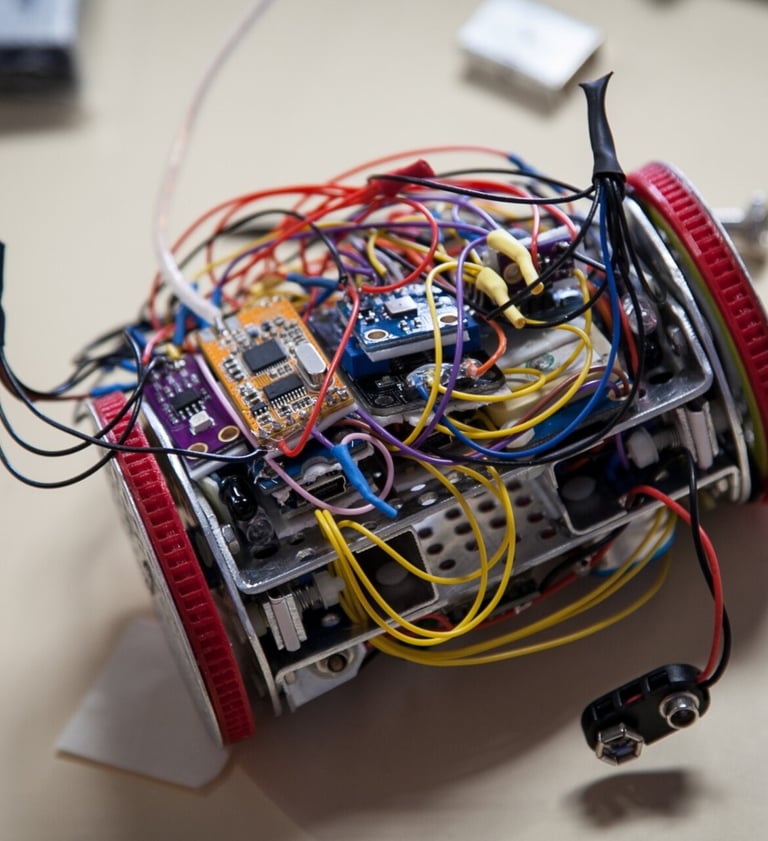
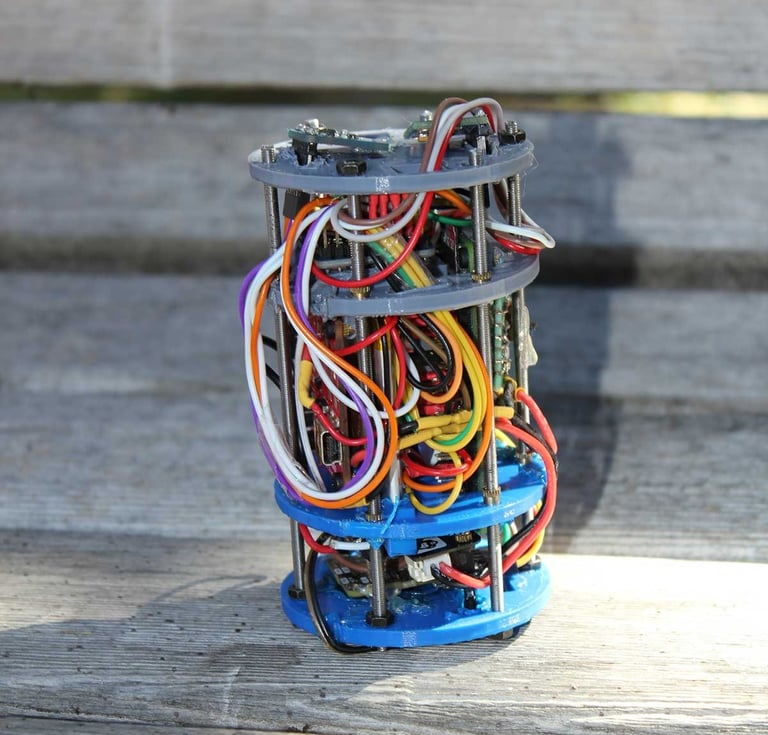
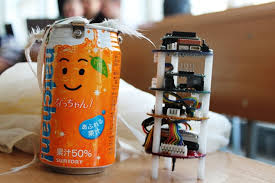
“CanSat” - a simulation of a real satellite, integrated into the volume and shape of a soft drink can.
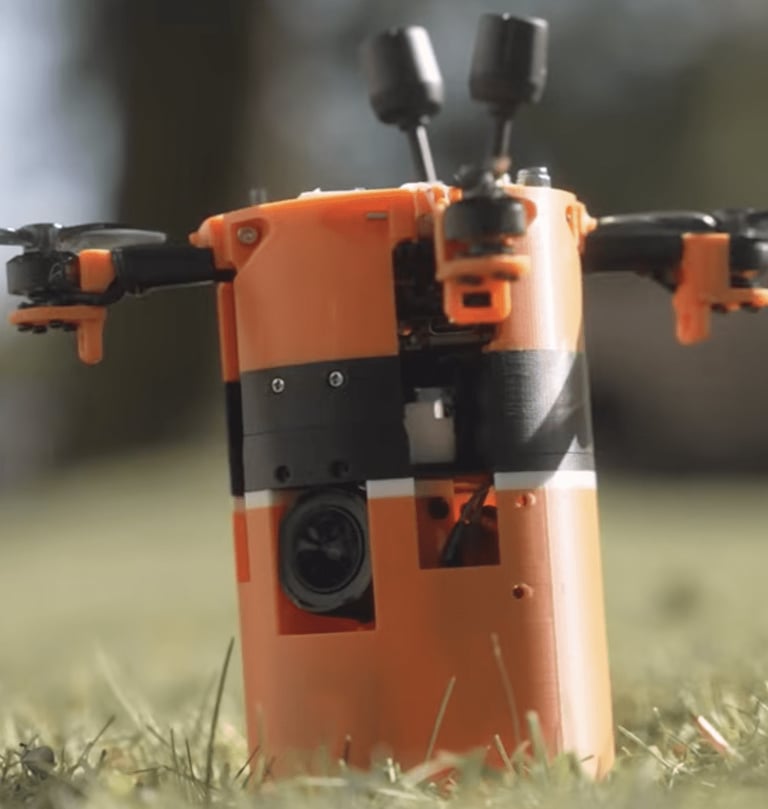
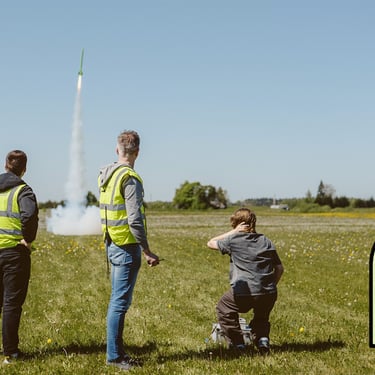
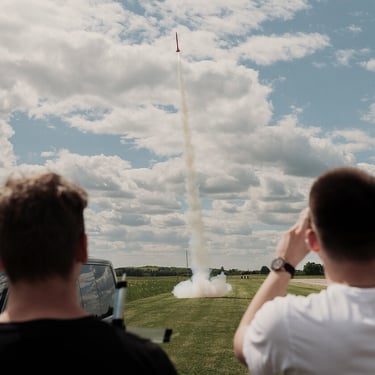
Each team’s task is to fit all the main satellite components, such as the power supply, sensor and communication systems, into a can-sized structure. The CanSat is then launched by rocket to an altitude of approximately one kilometre. During test flights, the CanSat is lifted by a drone. From this moment, the mission begins: a scientific experiment is carried out and/or a technology is demonstrated. After a successful parachute landing, the collected data is carefully analysed, and the CanSat’s performance and capabilities are evaluated.
Competition Timeline
During the competition, participants set mission objectives, both primary and secondary, design the CanSat model, carry out system tests, launch the model and analyse scientific data.
Students must construct can-sized satellites designed to simulate the flight of real satellites, including rocket overloads, communication activation and short communication sessions. The CanSat model also contains all the systems usually found in conventional satellites: power supply, communication systems and sensors.
CanSat requirments (LT)
Primary mission
Teams must develop a CanSat and programme it to complete the compulsory primary mission. During launch and descent, the CanSat must measure the following parameters:
Air temperature
Air pressure
and transmit this data to the ground station as telemetry at least once per second.
Secondary mission
Each team must choose a secondary mission. The selected secondary mission must have a certain scientific, technological or innovative value. When choosing a secondary mission, the limitations and requirements of the CanSat mission must also be taken into account, along with the feasibility of implementing the chosen mission in terms of technology, time and budget.
CanSat development process
Each team taking part in the project must carry out technical work related to its CanSat, following the life cycle principles of a real space project. This includes the following stages:
Defining the mission objectives;
Defining the technical requirements needed to achieve these objectives;
Developing the hardware and software;
Preparing reports;
Designing the ground station and telecommunications system;
Assembling and testing the CanSat, and preparing for the final competition.
Gallery
Organisers
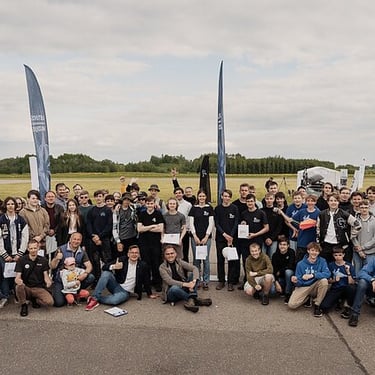
The “CanSat Lithuania 2025” competition in Lithuania is organised by the Innovation Agency’s Space Hub LT group together with the Lithuanian Museum of Ethnocosmology, Kaunas University of Technology and Vilnius Tech.







Get in touch with us
info@oscaras.lt
© 2026 All rights reserved.
Adress
Vilniaus r. Avižienių gimnazija
Sudervės g. 8, Avižienių k., LT-14192, Vilniaus r.
Adress
Vilniaus r. Nemenčinės Gedimino gimnazija
Ežero g. 14, Nemenčinė, LT-15170, Vilniaus r.